
Benefits of Drawing and Painting for Digital Detox
Explore the numerous benefits of drawing and painting for digital detox activities. Discover how these creative outlets can enhance your well-being and help you reconnect with yourself away from screens.
ANALOG LIFESTYLE & OFFLINE HOBBIES
1/1/20267 min read

Introduction to Creative Hobbies Offline
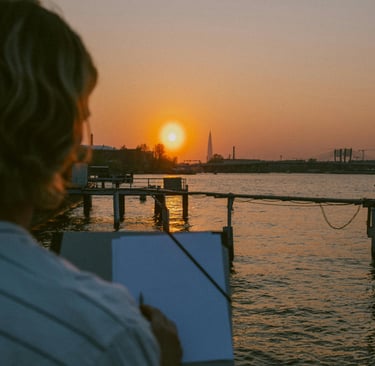
In an increasingly digital world, the demand for creative hobbies offline has never been more pertinent. While technology offers numerous conveniences, the constant connectivity can lead to overwhelm and stress. Therefore, engaging in activities such as drawing and painting can serve as invaluable tools for unplugging from the digital sphere. These artistic endeavors provide a space for individuals to channel their energies into intuitive expressions, fostering a sense of relaxation and mindfulness.
Drawing and painting are not merely recreational activities; they are pathways to ignite creativity and restore balance. By focusing on the tactile sensations of the medium, whether it's the feel of the pencil on paper or the brush stroking across the canvas, individuals can immerse themselves in the moment. This immersion acts as a form of mindfulness, encouraging one to be present and attentive rather than lost in the distractions of daily life.
Furthermore, participating in creative hobbies offline allows for the discovery and nurturing of one's artistic voice. These practices can lead to personal growth as individuals experiment with different techniques and styles, allowing them to cultivate their unique skills. Engaging in drawing or painting often results in a rewarding sense of accomplishment, fostering self-esteem as one witnesses their progress. Such creative endeavors also provide a significant antidote to modern-day stresses, promoting emotional well-being and enhancing overall mental health.
Thus, embarking on artistic pursuits not only rekindles creativity but also paves the way for a more intentional and fulfilling life. By integrating creative hobbies offline such as drawing and painting into one’s routine, individuals can effectively unwind while fostering a deeper connection to themselves and their art.
The Benefits of Drawing and Painting
Engaging in the creative activities of drawing and painting offers numerous benefits that extend beyond the canvas. One of the most significant advantages is the capacity of these practices to alleviate stress. By immersing oneself in the rhythmic strokes of a paintbrush or the smooth glide of a pencil, individuals often enter a state of flow, allowing the pressures of daily life to fade into the background. This form of expression not only diverts attention from stressors but also serves as a therapeutic outlet for emotions.
Furthermore, drawing and painting can enhance focus and concentration. As these activities require attention to detail, participants often find themselves honing their ability to concentrate for extended periods. This heightened focus can translate into improved cognitive functions in other areas of life, making creative pursuits a dual benefit for mental clarity and artistic expression.
Another essential benefit of engaging in drawing and painting is the capacity for emotional expression. For many individuals, articulating thoughts and feelings through visual art can be more effective than verbal communication. Whether through the bold use of color or the subtlety of line, creativity enables individuals to explore their inner world. This exploration can lead to improved self-awareness and emotional intelligence, allowing for greater personal insights and a deeper understanding of oneself.
Additionally, drawing and painting stimulate creativity, encouraging individuals to think outside the box and approach problems from new angles. This creative stimulation nurtures imagination and often leads to innovative ideas, enhancing both personal satisfaction and professional skills. In essence, dedicating time to these art forms can serve as a powerful tool for personal development, enriching one’s life in multifaceted ways.
Getting Started: Tools and Materials
Embarking on the journey of drawing and painting requires a thoughtful selection of tools and materials to enhance the experience. For beginners, starting with basic supplies is advisable, ensuring a gradual learning curve without overwhelming complexity. A sketchbook serves as the foundation for both drawing and painting endeavors. Opt for one that features a weighty, textured paper to accommodate various mediums, while a standard size of 9x12 inches is manageable for most projects.
Pencils are fundamental in the initial stages of any artwork. A wide range of graphite pencils, ranging from 2H to 6B, allows for a variety of lines and shading techniques. Beginners may benefit from purchasing a set that includes several hardness options, which will facilitate exploration in capturing depth and texture.
When delving into painting, the choice of paints is crucial. Acrylic paint is often recommended for newcomers due to its vibrant colors, quick drying time, and ease of use. For those who prefer watercolors, a student-grade watercolor set will provide a commendable start. Paintbrushes should also be carefully selected; a few round and flat brushes in varying sizes will allow for experimentation with different techniques and styles.
Additional supplies such as an easel, palette for mixing colors, and a water container are also essential. Each item plays a significant role in creating a well-rounded art setup. As artists progress, they may wish to explore advanced materials, including oil paints and specialized paper that can elevate their artistic experience.
Ultimately, the selection of tools and materials reflects the artist's personal style and preferences. Whether a novice or seasoned artist, investing in quality materials tailored to individual needs will significantly enhance the creative experience.
Finding Inspiration: Nature and Surroundings
Artistic expression often finds its roots in the world around us, particularly in nature and our immediate surroundings. For those pursuing drawing and painting, understanding how to draw inspiration from these environments can enhance creativity and lead to fulfilling artistic endeavors. Nature, with its myriad colors, textures, and shapes, serves as an abundant resource for artists. An early morning stroll through a park, a hike in the woods, or simply observing a garden can provide endless opportunities for sketching and painting. The intricate patterns of leaves, the vibrant hues of a sunset, or the delicate features of wildlife all present unique avenues for artistic exploration.
Additionally, personal experiences can significantly shape an artist's perspective. Reflecting on moments spent in nature, or even daily life, can inspire compelling compositions. Artists may find that memories tied to specific places evoke emotions that can be powerfully captured on canvas or paper. For instance, the feeling of tranquility one experiences while standing by a lake can enhance a painting of that scene, infusing it with a deeper sense of meaning.
Photography can also be an effective medium to capture the essence of one’s environment and serve as a foundation for traditional artistic techniques. Taking photographs of landscapes or urban settings allows artists to study various elements such as lighting, shadow, and composition. These images can then be transformed into drawings or paintings, helping to bridge the gap between observation and artistic interpretation. Engaging with one's surroundings in this way fosters a deeper connection with the art-making process, encouraging a cycle of observation, creation, and inspiration that sustains ongoing artistic growth.
Techniques for Slow Creativity in Art
Slow creativity in art emphasizes a thoughtful and deliberate approach to drawing and painting. This philosophy encourages artists to take their time with each piece, promoting experimentation and fostering enjoyment in the creative process. When embracing slow creativity, several techniques can enhance your artistic journey.
First, consider dedicating specific time blocks solely for the exploration of your artistic ideas without the pressure of producing a finished piece. Setting aside time to doodle, sketch, or paint freely allows the creative flow to emerge organically. This open-ended approach can often lead to unexpected discoveries and innovative designs.
Moreover, it's beneficial to start with simple prompts. Choose a theme or subject that intrigues you and commit to creating a series of artworks based on that idea. By working on a series, you encourage yourself to iterate upon and refine your concepts over time rather than rush to complete a singular vision. This technique provides space to experiment with different techniques and styles.
Incorporating mixed media can also enhance the slow creativity process. Layering materials such as watercolor, ink, and collage can lead to dynamic results. By allowing yourself to integrate various mediums, you invite new textures and effects, encouraging spontaneity and playfulness. Embrace mistakes as part of the journey, and you may find that they can inspire unique directions in your artwork.
Lastly, set a comfortable environment that nurtures relaxation and creativity. Choose a peaceful space to work, minimizing distractions. This tranquil setting can facilitate a deeper engagement with your techniques and concepts, allowing you to savor the process rather than focus solely on the result. Ultimately, these methods reinforce the essence of slow creativity: prioritizing enjoyment, experimentation, and an authentic connection with your art.
Creating a Routine: Making Time for Art
Engaging in drawing and painting can provide significant mental relief and a creative outlet, yet amid our busy lives, finding time for such activities can be a challenge. To truly embrace these hobbies, it is crucial to establish a regular routine that allows for consistent practice and enjoyment. Consistency is the key to improvement and satisfaction in your artistic endeavors.
One effective approach is to set aside specific times each week dedicated solely to your art practice. This could mean scheduling certain evenings or weekend mornings specifically for drawing or painting. By treating these sessions as appointments, you are more likely to prioritize them over other daily tasks. Consider blocking off a couple of hours each week to immerse yourself in creativity, free from distractions and interruptions.
Creating a dedicated workspace also enhances your ability to engage in drawing and painting. This does not necessarily mean a separate room; a small corner in your home with all necessary supplies can suffice. Ensure that your art space is well-organized and inviting, which can motivate you to utilize it more frequently. Keeping your materials readily accessible, such as paints and sketches, can reduce the effort needed to begin each session, encouraging spontaneity and regular attendance.
Balancing artistic pursuits with other responsibilities requires intention and flexibility. Be realistic about your schedule and assess how art can fit in with work, family, or other commitments. By prioritizing these creative hobbies and integrating them into your daily life, you cultivate not only new skills but also a fulfilling routine that nurtures your wellbeing. Remember, regularly engaging in drawing and painting will lead to noticeable improvement and personal satisfaction.
Conclusion: Reconnecting with Yourself Through Creativity
Embracing creative hobbies such as drawing and painting can profoundly influence personal development and mental well-being. As discussed throughout this blog post, stepping away from the digital environment to engage in these artistic activities can foster a deeper connection with ourselves. Engaging in artistic creation allows for self-expression, which is essential in understanding our emotions and thoughts. Furthermore, the act of drawing or painting offers a meditative experience, promoting relaxation and relief from the stressors of daily life.
The importance of setting aside time for creative endeavors cannot be overstated. In our fast-paced, technology-driven society, it is easy to overlook the vital role of offline activities in maintaining a healthy lifestyle. By participating in drawing and painting, individuals can enjoy the tranquility and focus that these methods provide. As we learn to navigate our internal worlds through the strokes of a brush or the lines of a pencil, we open avenues for introspection and self-discovery.
Moreover, cultivating these offline hobbies not only enhances creativity but also strengthens our resilience against the distractions prevalent in our digital lives. This reconnection with our inner selves serves as a powerful reminder of the simplicity and joy found in engaging with tangible art materials. Therefore, we encourage readers to embark on their own artistic journeys, allowing themselves the freedom to explore and innovate while escaping the clutches of their screens.
In conclusion, by prioritizing creative hobbies such as drawing and painting, we can foster personal growth, relaxation, and a stronger connection to our authentic selves. It is time to unplug and unwind, discovering the enriching world of creativity waiting just beyond our digital devices.