
Cooking as Meditation: Embrace a Digital Break
Discover how cooking can serve as a form of meditation, allowing you to disconnect from the digital world. Explore mindful cooking as meditation techniques that enhance relaxation.
ANALOG LIFESTYLE & OFFLINE HOBBIES
1/1/20268 min read
Introduction: The Art of Mindful Cooking
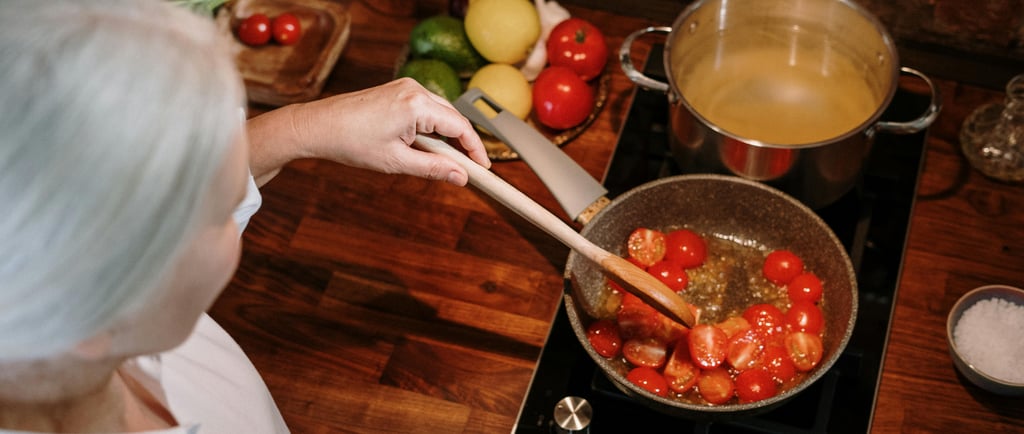
In today’s fast-paced world, the practice of mindful cooking serves as a retreat from daily stresses and distractions. Mindful cooking involves engaging fully with the process of preparing food, transforming it into a meditative practice that nurtures both the body and soul. By focusing on the sensory experiences of cooking, individuals can cultivate a deeper awareness of their actions and surroundings, creating a harmonious connection with the food they prepare.
The rise of technology has led many to feel disconnected from the present moment, with notifications and distractions often interrupting daily life. Engaging in mindful cooking provides an opportunity to step away from screens and embrace the tactile, sensory elements of food preparation. This practice encourages individuals to savor each moment, from selecting ingredients to the final presentation of a meal, allowing for a more meaningful relationship with food itself.
Furthermore, the slow food movement complements the philosophy of mindful cooking by promoting sustainable practices and the use of locally sourced ingredients. By embracing the slow food lifestyle, individuals can cultivate an appreciation for the journey of food from farm to table, while supporting local communities. This approach not only enhances the quality of the meals prepared but also encourages a deeper understanding of the ingredients involved. Cooking slowly, without haste, aligns seamlessly with the principles of mindfulness, making each meal a celebration of not only taste but also the process itself.
Ultimately, mindful cooking offers numerous benefits, including reduced stress, increased creativity, and a heightened sense of gratitude for the meals we consume. It invites individuals to be present, fostering a sense of calm and balance in their lives. By adopting mindful cooking practices, we can transform our kitchen experiences and cultivate a lifestyle that embraces both nourishment and mindfulness.
Understanding Mindful Cooking
Mindful cooking can be defined as an intentional approach to the culinary process, allowing individuals to fully engage and immerse themselves in the experience of preparing food. This practice emphasizes the importance of presence, reflection, and connection with the ingredients, transforming cooking from a routine task into a meditative experience. The principles of mindful cooking are anchored in awareness, appreciation, and simplicity.
At its core, mindful cooking encourages cooks to slow down, focusing on the textures, colors, and aromas of each ingredient as they prepare their meals. This contrasts significantly with fast-paced cooking and eating habits, which often prioritize efficiency over enjoyment. In a world characterized by hurried lifestyles and convenience foods, mindful cooking invites individuals to resist the temptation to rush through meals. Instead, it emphasizes a deliberate pace that fosters a deeper appreciation for the cooking process itself.
The practice serves as a valuable tool for enhancing mindfulness and presence, promoting not only a healthier relationship with food but also a more profound sense of well-being. By engaging all the senses, mindful cooking allows individuals to become fully aware of their actions, cultivating a sense of gratitude for the nourishment that food provides. The ritual of mindful cooking can also help to reduce stress, as it encourages individuals to focus on the present moment rather than the distractions of daily life.
Ultimately, conscious engagement in the kitchen can lead to a more fulfilling eating experience, where every meal is an opportunity for reflection and appreciation. Embracing mindful cooking not only enriches the culinary process but also contributes to a slower, more meaningful lifestyle reminiscent of the Slow Food movement.
The Connection Between Cooking and Meditation
Cooking can often be perceived merely as a daily chore or a means to satisfy hunger. However, when approached with intention, the act of cooking can develop into a profound form of meditation. Both cooking and meditation share a common foundation rooted in mindfulness—the quality of being fully present in the moment. Engaging in mindful cooking allows individuals to foster a deeper connection with the ingredients and the culinary techniques being employed.
The practice of meditation emphasizes focusing the mind to enhance awareness and attain mental clarity. Similarly, cooking, when approached with a meditative mindset, can promote concentration and relaxation. The rhythmic chopping of vegetables, stirring of sauces, and the aromatic interplay of spices not only ignite the senses but also anchor the mind in the present moment. Just as one breathes deeply or repeats a mantra during meditation, the repetitive actions involved in cooking can create a soothing ambiance, allowing thoughts and worries to dissipate.
A key aspect of both cooking and meditation is the necessity of slowing down. Modern life often encourages rushing through tasks, but taking the time to savor each step of the cooking process can cultivate patience and appreciation. By meticulously measuring ingredients or observing the transformation of raw produce into a delightful dish, one develops a greater awareness of the journey rather than fixating on the outcome. Focused and intentional cooking complements established meditative practices, reaffirming the idea that the kitchen can serve as a sanctuary for reflection, creativity, and tranquility.
The connection between cooking and meditation opens a pathway towards experiencing culinary activities as an opportunity for personal growth and mindfulness. By embracing the peaceful elements inherent in cooking, individuals can enhance their overall well-being, contribute to a slow food lifestyle, and find joy in the mundane.
Embracing the Slow Food Lifestyle
The slow food lifestyle is a profound commitment to understanding and appreciating food that transcends mere consumption. Rooted in the philosophy that cooking and eating should be connected to our local cultures and environments, this movement emphasizes the importance of sourcing local, sustainable ingredients. By prioritizing fresh, seasonal produce, slow food advocates work towards combating the industrialized food system that often prioritizes efficiency over quality and sustainability. In this way, the slow food lifestyle promotes a deeper relationship with food, encouraging individuals to savor each aspect of the cooking and eating process.
Central to the slow food movement is the concept of mindful cooking, which embodies much of the same ethos found in traditional meditative practices. When individuals take the time to source ingredients from local farmers or gardens, they not only support their communities but also foster a sense of connection to the very essence of their meals. This mindfulness extends into the kitchen, where the act of preparing food can become a meditative ritual. The process of chopping vegetables, simmering stocks, and mixing flavors is transformed into an opportunity for reflection and presence.
Incorporating slow food principles into the cooking process enriches the overall experience, creating a space for mindfulness and appreciation. It encourages cooks to engage with each step intentionally, enabling them to witness the transformation of raw ingredients into nourishing meals. This aids in the cultivation of a deeper awareness of one’s relationship with food and reinforces the idea that what we consume plays a pivotal role in both personal and planetary health. Thus, transitioning to a slow food lifestyle not only enhances culinary skills but also enriches the meditative experience, fostering a profound sense of joy and fulfillment in the kitchen.
Steps to Create a Mindful Cooking Practice
Establishing a mindful cooking practice requires intentional choices that enhance awareness, presence, and gratitude in the kitchen. Begin by creating a calming cooking environment. Consider decluttering the space and organizing your utensils and ingredients. A clean and organized kitchen not only promotes efficiency but also fosters a sense of tranquility. Soft lighting, soothing music, or even silence can contribute to a peaceful atmosphere conducive to mindful cooking.
Next, focus on the sensory experience of cooking. Pay attention to the colors, textures, and aromas of the ingredients as you work with them. Engage your senses by touching the produce, listening to the sound of chopping, and inhaling the fragrant spices. This immersive experience cultivates a deeper connection with the food, transforming the act of cooking into a meditative ritual. Allow yourself time to savor each step in the process, from preparation to plating, instead of viewing cooking as a mere task to complete.
Incorporating mindfulness into your cooking also involves practicing gratitude. Before you begin, take a moment to acknowledge the journey your food has taken to reach your kitchen—from the farmers who grew it to the markets where it was sold. Expressing gratitude can enhance your appreciation of the meal you are about to prepare. As you cook, remind yourself of the nourishment the food provides and the care it required to grow. This perspective not only uplifts your cooking practice but also increases awareness of the impact of your meals on both your well-being and the environment.
By following these steps, you can cultivate a mindful cooking practice that enriches your culinary experiences. Engaging in this process allows for reflection and personal growth, fostering a more meaningful relationship with food that aligns with the slow food lifestyle.
Mindful Cooking Techniques and Recipes
Embracing mindful cooking involves adopting techniques that enhance our connection with food, allowing us to appreciate its flavors and nutrition. One of the most effective methods is slow cooking, which not only tenderizes ingredients but also promotes a serene cooking experience. This method encourages the cook to engage fully in the process, savoring each step from preparation to serving.
Using fresh herbs and spices is another pivotal aspect of mindful cooking. These ingredients not only elevate the taste of dishes but also provide vivid sensory experiences, stimulating our sense of smell and sight. By incorporating such fresh elements into meals, we are reminded of the vitality of real food and its origins. Before cooking, take a moment to appreciate the colors, textures, and aromas as a way to cultivate mindfulness.
To begin your journey into mindful cooking, consider a simple recipe of herb-infused quinoa with seasonal vegetables. Start by rinsing one cup of quinoa under cold water for a few minutes. In a pot, add two cups of vegetable broth, the rinsed quinoa, and a bunch of fresh herbs – such as parsley, cilantro, or thyme. Let it simmer on low heat for about 15 minutes. In the meantime, chop seasonal vegetables such as zucchini, bell peppers, and carrots, and sauté them in olive oil with a pinch of salt and pepper. This combination not only provides nourishment but also encourages a slow pace as you prepare and inhale the diverse aromas.
Another delightful recipe is a slow-roasted tomato and garlic soup. Begin by halving ripe tomatoes and placing them on a baking tray, alongside whole garlic cloves, drizzle with olive oil, and sprinkle with salt. Roast in the oven at 300°F for about two hours. Blend the roasted mixture with vegetable stock and a splash of balsamic vinegar for a rich, satisfying soup that embodies the principles of mindful eating, inviting you to relish each spoonful.
Conclusion: Nurturing the Mind and Body Through Cooking
In recent years, the concept of mindful cooking and the slow food lifestyle has gained momentum, revealing their profound effects on both mental and physical well-being. These practices not only transform the act of cooking into a meditative ritual, but they also enhance the overall experience of nourishing oneself. By focusing on the ingredients, the preparation process, and the love infused into each meal, individuals can cultivate a greater awareness of the present moment, leading to reduced stress and anxiety.
The slow food movement emphasizes the importance of locally sourced, seasonal ingredients, fostering a connection between the individual and the community. As people engage with food sources, they become more mindful of their choices, which encourages healthier eating habits. This, in turn, contributes positively to physical health. Furthermore, connections formed within the community around food preparation can enhance social well-being and create a sense of belonging.
Mindful cooking also encourages creativity and self-expression. As one experiments with different flavors, techniques, and cultures, the kitchen becomes a space for exploration rather than a chore. This exploration can serve as a therapeutic outlet, promoting relaxation and personal satisfaction. Incorporating the practice of cooking as a form of meditation allows this space to foster peace and clarity.
We invite readers to embrace cooking as a meditative practice. By taking the time to engage fully in the process—whether through chopping vegetables, simmering sauces, or plating a meal—individuals can experience the transformative effects of mindful cooking and the slow food lifestyle. As you embark on this journey, we encourage you to share your experiences and insights, enriching this community of mindful practitioners.